
$150K to Dr Casey Langdon at the Medical University of South Carolina for Ewing sarcoma research

.png)
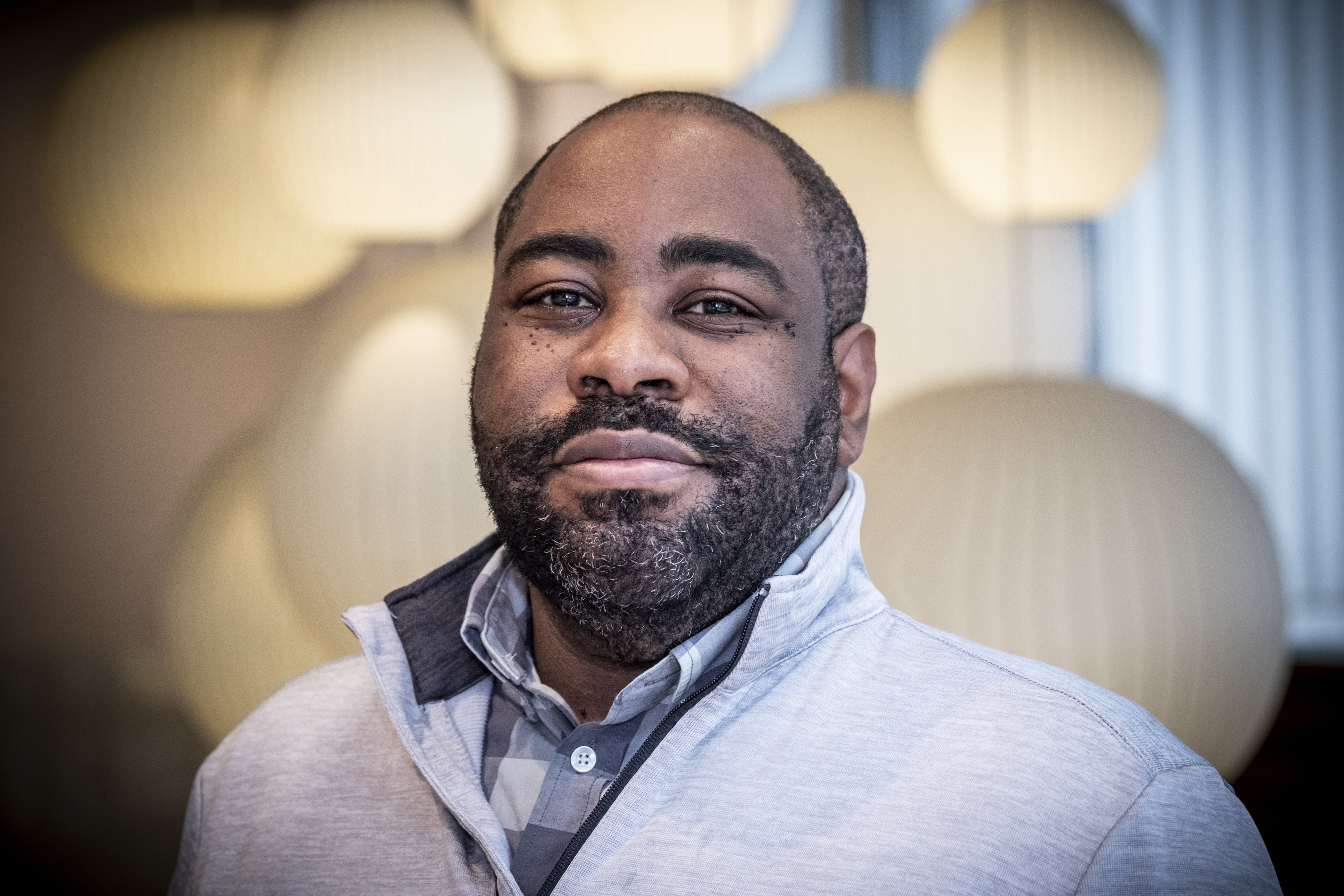

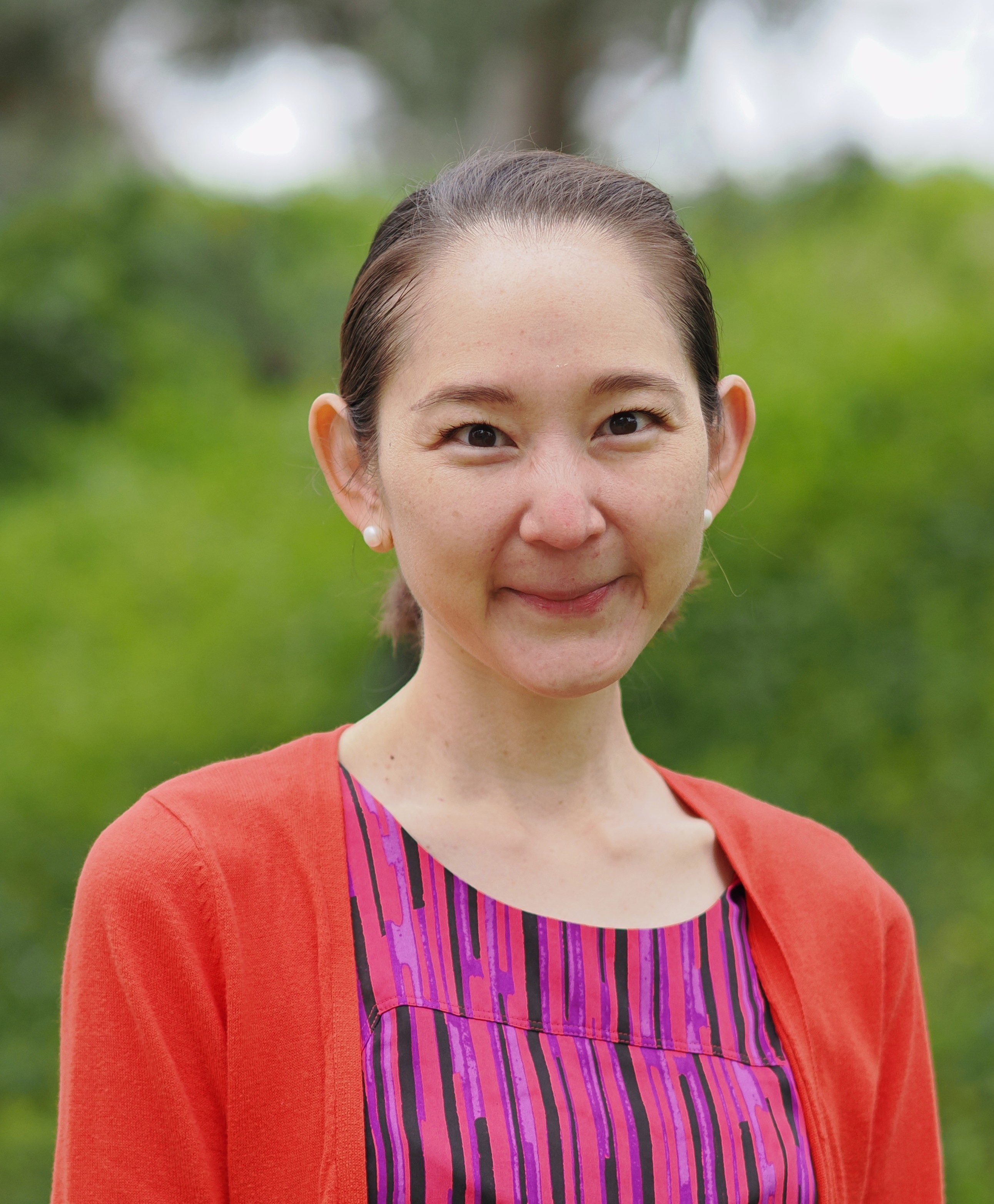
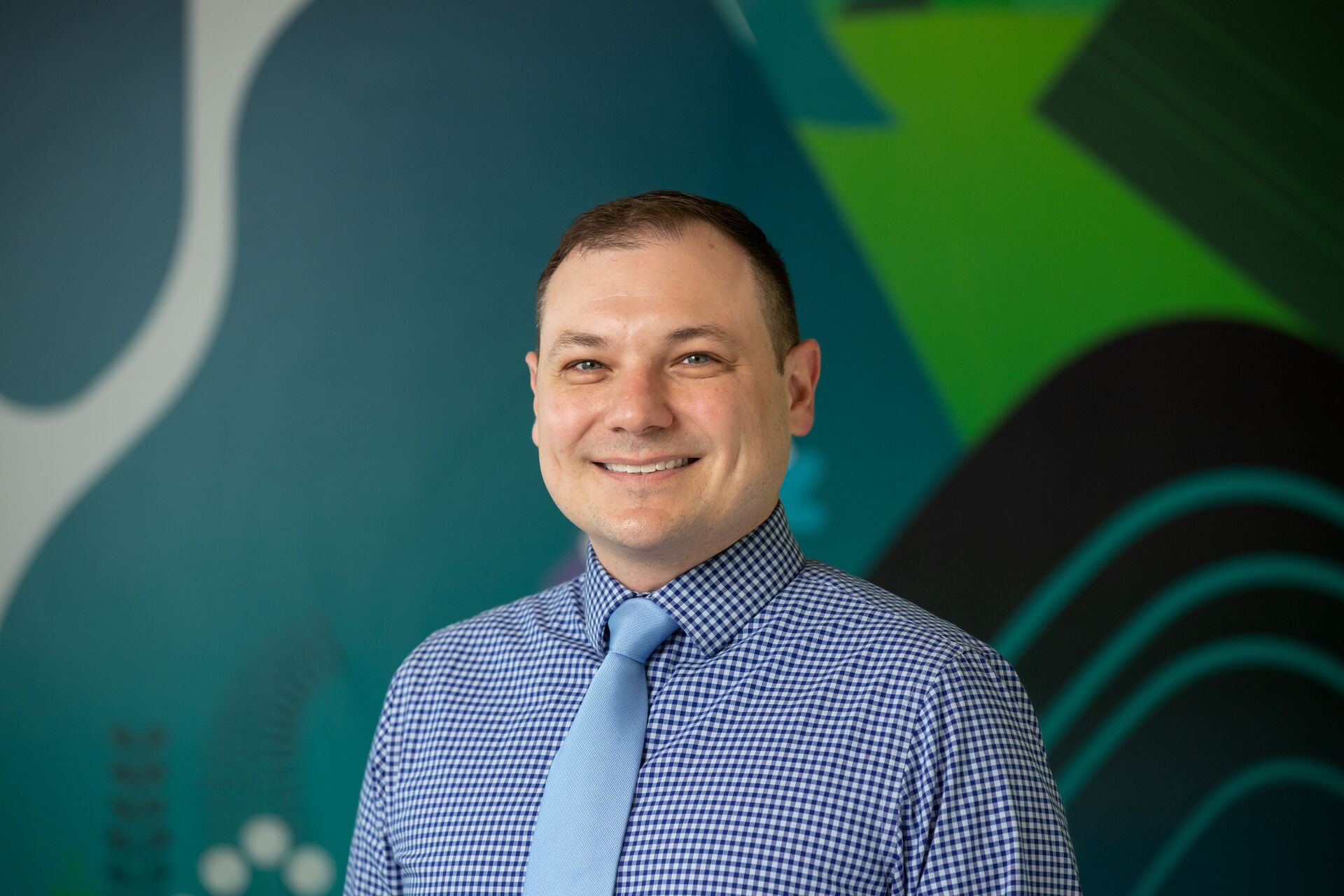
Ewing sarcoma tumors are driven by a powerful gene fusion called EWS-FLI1. This fusion behaves like a stuck accelerator, pushing cancer cells to grow and spread. Because this fusion has been difficult to target directly, researchers have searched for weaknesses elsewhere in the cell. The Langdon Lab has discovered that blocking a protein called XPO1—responsible for shuttling other proteins out of the cell’s nucleus—disrupts key cancer-driving programs in not only Ewing sarcoma, but several sarcoma types. Their early work shows that an FDA-approved XPO1 inhibitor can slow sarcoma growth, but different cells within the same tumor may respond differently. To better understand how this treatment affects every cell, the team will use cutting-edge single-cell technologies to map how gene activity and cell-signaling pathways change when XPO1 is blocked.
Dr. Langdon has also uncovered an important link between XPO1 and another major cancer pathway known as PI3K. When XPO1 is inhibited, PI3K signaling becomes more active—revealing a vulnerability that can be exploited. Pairing XPO1 inhibitors with drugs that block the PI3K pathway has shown strong synergy across multiple sarcoma models. This project will test two drug combinations to determine which is safest and most effective, with the goal of identifying new, less toxic treatment strategies for children and young adults with Ewing sarcoma. Ultimately, this strategy could be impactful in multiple fusion-driven sarcomas. By understanding these tumors at the single-cell level and pinpointing where they are most vulnerable, this work aims to move the field closer to therapies that offer real hope for better outcomes.
Join Our Newsletter for Updates
Stay informed about our latest initiatives, events, and research breakthroughs.
